Built on craft, driven by sustainability

We started with a simple observation: businesses discard functional furniture because surface wear makes it look finished. The frames, mechanisms, and structural components often have decades of use remaining. Our work recovers that potential.

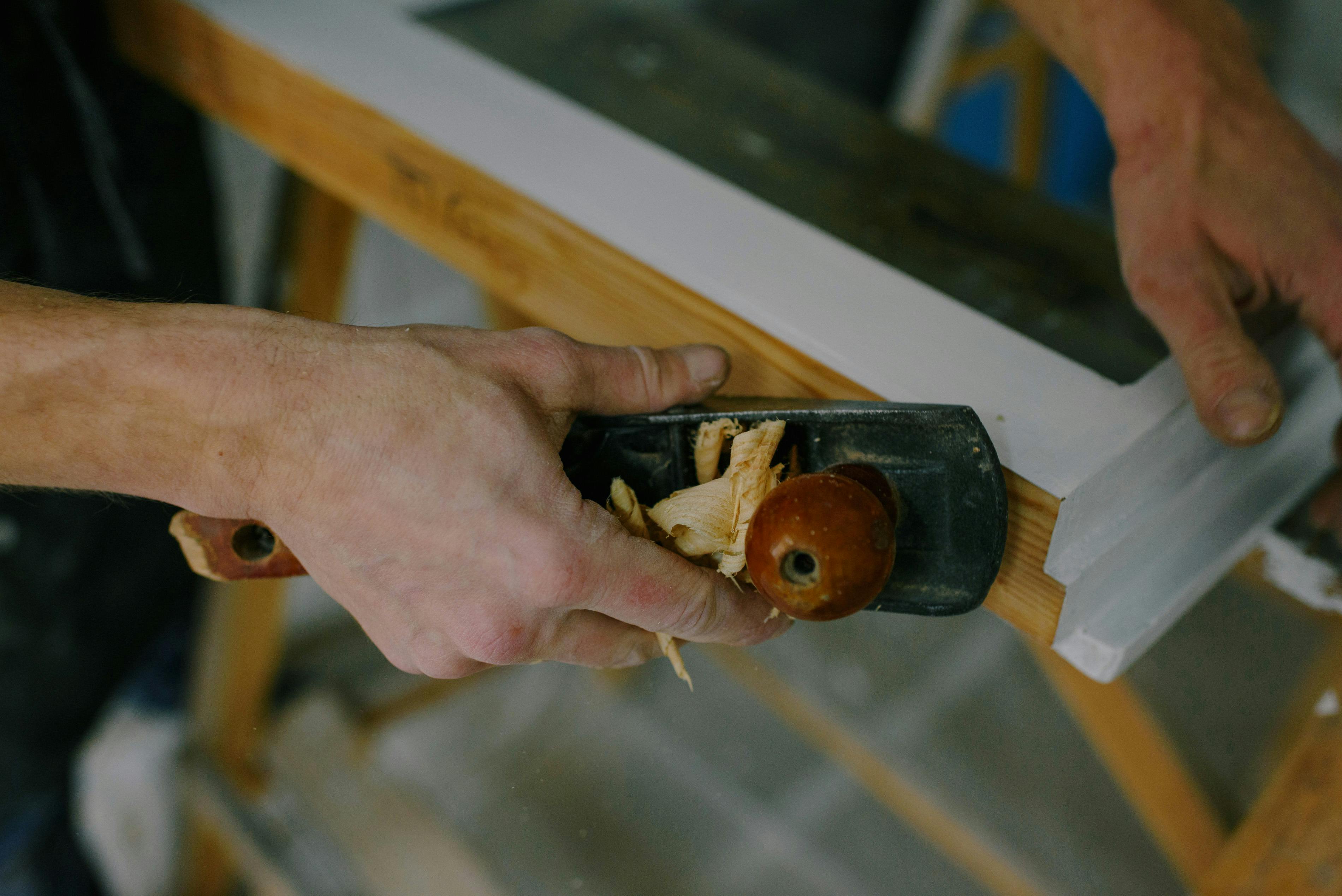
Furniture restoration workshop

Why we focus on commercial spaces

Office furniture takes more abuse than residential pieces. Daily use by multiple people accelerates wear on fabric and padding. Yet these chairs and sofas are built to withstand that pressure. The underlying structure rarely fails before the upholstery does.

Coworking spaces face particular challenges. High turnover means furniture sees constant use. Buying new every few years becomes expensive and wasteful. We developed restoration processes specifically for environments where downtime must be minimal and durability cannot be compromised.

Our workshop handles everything from single executive chairs to full floor refits. We coordinate with facility managers to schedule work around peak occupancy hours and deliver in phases when projects require it.

What guides our work

Structural honesty

If a frame cannot be repaired to safe working standards, we tell you. Not every piece should be restored. We provide honest assessments before accepting work.

Material transparency

You receive detailed information about fabric grades, foam densities, and durability ratings. We explain tradeoffs between cost and longevity so you make informed decisions.

Timeline reliability

Project estimates include buffer time for unexpected repairs. We meet quoted delivery dates or communicate delays immediately when they arise.

Our restoration process standards

1

Complete disassembly

Every piece gets fully broken down to expose the frame. This reveals hidden damage that surface inspection misses and allows thorough cleaning of components that rarely get accessed.

2

Frame inspection and repair

We check joints, welds, and load-bearing points. Damaged metal gets re-welded. Loose wooden joints receive proper gluing and clamping. Mechanisms are tested and replaced if they fail stress tests.

3

Padding replacement

Old foam compresses over time and loses support. We use high-density commercial-grade foam rated for heavy use. Seat bases receive firmer foam than backs to maintain proper ergonomic support.

4

Precision upholstery

Fabric gets cut to match original patterns. Seams align with frame edges. Tension is distributed evenly to prevent premature wear in high-stress areas. Stitching follows manufacturer patterns or improves on them where durability demands it.

5

Final testing

Completed pieces go through weight testing, mechanism cycling, and visual inspection before leaving our workshop. Nothing ships until it meets the same standards we would accept for our own office.